

When a hurricane, a blizzard, or a record heat wave hits an outdoor advertising site, the cabinet enclosing the billboard electronics is usually the first thing to fail. Wind tears panels loose, snow overloads roof sections, and condensation corrodes power supplies. The best cabinet designs for extreme weather billboard installations are not about looks. They are engineered to keep the installation standing and operational through every season. Here is what that engineering looks like in practice.
Why Extreme Weather Destroys Billboard Cabinets
Outdoor billboard installations face a combination of environmental forces that can quickly expose weak design choices.
- Wind load: In hurricane-prone regions, wind speeds above 150 mph create pressure differentials that can tear off unbraced panels or lift entire structures.
- Water ingress: Heavy rain driven by wind enters through unsealed seams, short-circuiting control boxes and corroding metal joints.
- Snow and ice accumulation: Snow loads add hundreds of pounds to horizontal surfaces, which can bow a cabinet frame if its roof structure is underbuilt.
- Thermal cycling: Daily temperature swings cause expansion and contraction, loosening fasteners and cracking sealants over time.
- UV degradation: Prolonged sun exposure breaks down paint, gaskets, and plastic components, leaving the metal beneath unprotected.
The result is not just expensive downtime. A failed cabinet can pose a safety risk to pedestrians and traffic below, which is why regulated installations require strong engineering evidence before permission is granted.
Core Design Features for Extreme Weather Billboard Cabinets
Once the real threats are understood, the design priorities become clear: prevent structural overload, keep moisture out, allow thermal movement, and protect the internal electronics.
Structural Wind Resistance
Wind resistance begins with calculating the specific design wind pressure for the installation site. Coastal and open-area locations need a structure rated for at least 200 km/h sustained wind. The cabinet frame must use fully welded steel sections or heavy aluminum extrusions, with corner braces and high-tensile bolts that resist fatigue. Every load path must transfer force down to the foundation through anchored posts or a reinforced base plate. A common mistake is to rely on thin sheet-metal panels for structural support, but in extreme weather these become the weak point.
For a practical example of a similar outdoor metal structure engineered for strong wind, consider the strong wind resistance bus shelter model we produce.
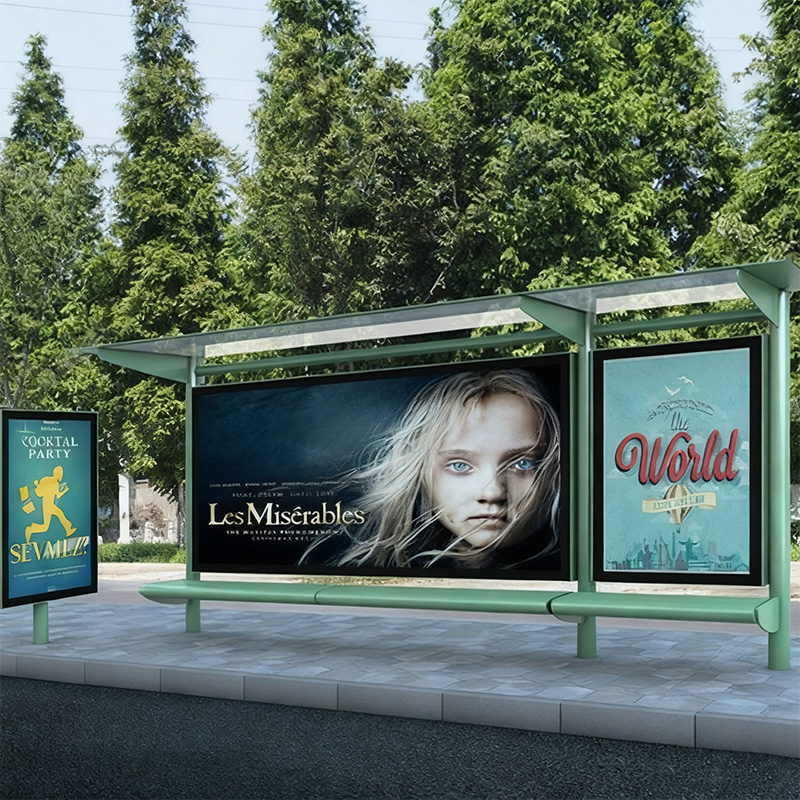 AH-2757 Strong Wind Resistance Bus ShelterThis hot-dip galvanized steel shelter measures 5280mm by 1500mm by 2900mm and is engineered for windy conditions, providing durable protection and comfort for passengers at transit hubs and urban spaces.View Product →
Material Selection and Surface Protection
Metal choice is the most visible determinant of longevity in extreme weather. The table below compares the common materials used in outdoor billboard cabinet construction.
| Material | Strength | Corrosion Resistance | Best Use |
|---|---|---|---|
| Hot-dip galvanized steel | High | Excellent after zinc coating | High-wind coastal sites |
| Stainless steel | Very high | Superior even in salt-laden air | Marine environments |
| Aluminum | Medium-high | Good with anodized finish | Weight-sensitive or rooftop installations |
Hot-dip galvanizing is a proven choice for large outdoor structures because the zinc layer sacrifices itself before the steel corrodes. Powder coating adds another protective layer against UV, while stainless steel is reserved for installations where salt exposure is unavoidable. At our manufacturing facility, we apply hot-dip galvanizing and powder coating to heavy outdoor steel products to ensure decades of service life.
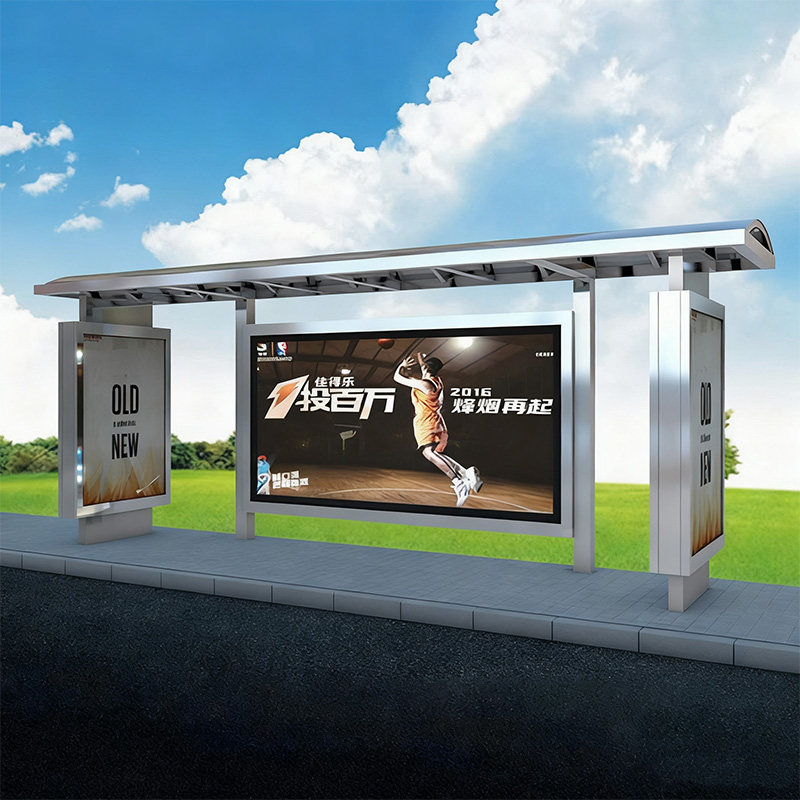 AH-3014 All-Weather Use Bus ShelterMeasuring 5000mm by 1600mm by 2880mm, this all-weather shelter is built with weather-resistant materials to withstand rain, wind, sun, and snow, ensuring years of reliable service and low maintenance.View Product →
Sealing, Drainage, and Moisture Control
A cabinet may be structurally sound but still fail if water penetrates the enclosure. Use IP-rated gaskets around every door and cable entry. Include a sloping top surface to shed water, and internal drainage channels at the base to evacuate any condensation that forms. A desiccant can help inside the cabinet, but passive ventilation is equally important. Consider a small louvered vent that is protected by a rain hood, so air can escape without allowing water in.
Thermal Management for Electronics
LED drivers and power supplies generate significant heat. Inside a sealed cabinet exposed to direct sunshine, internal temperatures can easily exceed 60°C. The best designs incorporate a continuous airflow path across the hot components, which may include a brushed ventilation grille, a forced-air fan with temperature control, or a heat-exchanger unit. Shading fins and a double-layer roof reflect solar radiation, reducing how much heat reaches the cabinet in the first place. Plan for heat the way you plan for wind: with calculated tolerances, not guesswork.
Installation and Maintenance Considerations
Extreme weather handling begins before the billboard is on site. Modular cabinet sections that can be assembled on the ground and lifted as one unit reduce installation risk. During setup, inspect every gasket and torque every bolt to factory specifications. A maintenance program should include quarterly checks for loosened fasteners, cracked seals, and early signs of surface rust. In cold climates, check for ice accumulation on the roof and remove it before it stresses the frame.
- Foundation: Ensure the concrete footing matches the weight and wind load of the cabinet. Use anchor bolts with corrosion-resistant coatings.
- Cable landscape: Route cables through sealed conduits with low-point drains so water cannot collect near the electronics.
- Access: Design hinged doors and removable side panels so field technicians can service internal components without dismounting the entire cabinet.
How to Evaluate a Billboard Cabinet Supplier
Not every metal fabricator can deliver a cabinet that survives extreme weather. Before placing a purchase order, ask the supplier to provide documented test reports and the specific design parameters used for wind loading and corrosion protection. A credible manufacturer will happily share the material specification, the surface treatment process, and the structural calculations behind their design.
- Ask whether the cabinet has been verified for the wind zone in your region.
- Request a copy of the coating standard, such as ASTM or ISO, used for galvanizing or powder coating.
- Inquire about the service life expectation for the fasteners and gaskets.
- Ask for references from installations that have already survived a severe weather event.
When the billboard is part of a large advertising network, you also need a supplier who can produce consistent quality across multiple units. Look for a manufacturer with experience in digital scrolling billboards and weatherproof outdoor bulletin boards, because those products share the same structural engineering requirements.
Final Recommendation
Start with the climate. If your installations sit along a wind corridor, a coastal salt zone, or a region with heavy snow, select a cabinet design that uses hot-dip galvanized steel, welded frames, and sealed, gasketed enclosures. Verify the wind pressure rating with the manufacturer before you commit to a design. The cheapest cabinet will cost far more after one storm, while an engineered cabinet keeps your advertising asset delivering revenue season after season.


